Blog

PRINCIPLES OF INTERIOR DESIGN PART 5: HARMONY AND UNITY

Principles of Interior Design: Harmony and Unity from Hatch Interior Design
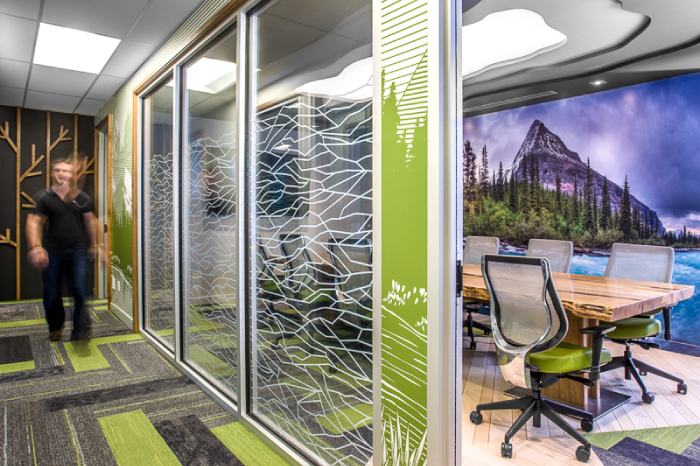
The office of Aeria Games by Lindemann Projektnet exhibits ultimate harmony and unity; probably a refreshing and welcomed environment for employees of a colourful and interactive online game site.

We have come to our last post on the principles of interior design; harmony and unity. Our two series of blog entries on the elements and principles of design introduce you to the fundamental guiding forces that may be incorporated into the design of your commercial interior. If you missed our previous series on the elements of design (line, colour, texture & pattern, light, and scale & proportion), or our first three principle of design posts (balance, rhythm and emphasis) you can read back to fill yourself in.
»There’s more! Read on…

PRINCIPLES OF INTERIOR DESIGN PART 4: VARIETY

Principals of Interior Design Part 4: Variety
395 Page Mill First Floor by Studio O+A serves as AOL’s headquarters. The variety of form in this atrium space creates interest without using bright colours, textures or patterns.

The principles of interior design provide some fundamental guidelines for designers to draw upon. These do sound like rules, however some rules are meant to be broken… thoughtfully. A great interior designer considers and implements the elements and principles of design, and then goes beyond to break the rules to create excitement, interest and surprise. If you missed our previous series on the elements of design (line, colour, texture & pattern, light, and scale & proportion), or our first three principle of design posts (balance, rhythm and emphasis) you can look back to catch up.
»There’s more! Read on…

PRINCIPLES OF INTERIOR DESIGN PART 3: EMPHASIS

Principals of Interior Design Part 3: EmphasisHere is a less obvious example of emphasis in design. Interior design firm Geremia used really heavy, dark stools contrasting with a lighter surrounding to make the counter a focal point in Citizens B Restaurant.


If you read our blog you know that we have already touched on all the elements of design (line, colour, texture & pattern, light, and scale & proportion) as well as two of the principals of design (balance and rhythm). This week we’re moving on to emphasis, probably one of the most well-used design principals.

Two of the questions we always ask our clients during the programming phase include: 1) What do you want to highlight in your space, and 2) What do you want to hide in your space? These questions form a foundation for our interior designers to create and/or distract focus from an area. Typically in commercial interior design we find our clients are most interested in highlighting their products, signage or customer service counters, whereas in residential projects design elements such as a fireplace, artwork, the staircase, high ceilings, or large windows with views tend to be the focal point.
»There’s more! Read on…

PRINCIPLES OF DESIGN PART 2: RHYTHM

principles of interior design rhythmKjellgren Kaminsky Architecture created rhythm in this dance hall by repeating a pattern of mirrors.

    Our last blog post introduced the principles of design with a focus on balance. This post will focus on another principle of interior design, rhythm.

    Rhythm can be thought of as a pattern in movement. You can hear it in varied sounds to create music or in the steady drip of a faucet. It can also be seen; think about lines in the sidewalk and how your footsteps relate to the regular breaks. Rhythm can be seen and heard throughout nature and in our built environment through repetition, alternation and progression. These three methods of achieving rhythm can be applied to interior spaces as a way to introduce order, interest and focus, and to help lead your eye through a room.
    »There’s more! Read on…

    PRINCIPLES OF INTERIOR DESIGN PART 1: BALANCE


    Balance is everything in design. Everything just feels right when a space is as well-balanced as the one above designed by BBG-BBGM.

      Principles of interior design are achieved through the application of the elements of design. Unsure of what the elements of design are? We’ve got you covered; check out our previous blog series in which we provided an introduction to line, colour, texture and pattern, light, and scale and proportion. As interior designers we have become quite adept in applying both the elements and principles of design to our commercial projects to create interesting spaces that help to reinforce your brand and corporate message.

      There are many principles of design, but this first post in our series will focus on balance. Everyone understands the importance of balance. One lesson that we learn quite quickly from a very young age is that without balance things tend to go sideways. Whether it be learning how to ride your bike, stacking wooden blocks or knowing when to take a break from work to enjoy some leisure time, balance is a constant in our lives. So, how does balance translate into interior design?
      »There’s more! Read on…

      HAPPY BUSINESS TO YOU

      Happy Business to You
      Hatch had the great fortune to attend this year’s 2nd annual Happy Business to You commercial interior design trade show with the Interior Designers of Canada board. The show itself invited and brought the board to Pordenone, Italy to introduce our group of designers to some Italian designed and made product. While there were some recognizable brands to the North American market exhibiting, there were many who are not yet being carried here. We would like to share some of our favourite brands and products from the show; who doesn’t love Italian design?
      Happy Business To You
      »There’s more! Read on…

      INTERIOR DESIGN TO ENFORCE AND STRENGTHEN YOUR BRAND

      INTERIOR DESIGN TO ENFORCE AND STRENGTHEN BRAND
      Design powerhouse Nendo completed Puma House, a multifunctional space in Tokyo.

        For anyone who reads our blog regularly, you have probably noticed that we often remark that interior design can enforce and strengthen your company brand. Since we are currently completing a new office space design for our favorite brand marketing company, Urban Jungle, we thought it was a good time to take a deeper look at this topic. There is a lot of buzz out there about branding, and rightly so, but what exactly does it mean? What are the real effects of establishing a strong brand? And how does interior design tie into this? We will cover all these questions, but first let’s take a look at a case study for branding gone right.

        Puma really understood how their brand needed to connect with their interior environment (see image above). Nendo, the designer of this space outlined “For our design, we placed ‘staircases’ that climb around the existing features around the space like vines. But these staircases are not for people to climb. Rather, they function as display stands for PUMA’s sneakers and as a compositional element that gives the space a special character. The resulting effect is a strong reminder that we exercise our bodies daily going up and down stairs, and has a visual connection with stadium stairs and podiums too, to bring in PUMA’s important relationship with sports.” What do you think? Did the subtle connection between the stairs and Puma brand connect with you? We think so.
        »There’s more! Read on…

        ELEMENTS OF DESIGN PART 5: SCALE AND PROPORTION

        Scale and Proportion_Elements of Interior Design
        Although another element of design, colour, is applied, proportion is also a key contributor in making this lounge space at Creston (designed by The Interiors Group) really stand out.

          For our final post in our blog series, we are going to focus on the elements of design, scale and proportion. In commercial Interior Design, the most important objective for a project is to enhance our everyday experiences within the environments we work, live, and play. Although consideration of all the elements of design is necessary to achieve this goal, scale and in turn, proportion have the largest impact on spatial functionality.
          »There’s more! Read on…

          NEW OFFICE OF HATCH INTERIOR DESIGN

          New Office of Hatch Interior Design
          Our new storefront office space.

            We have moved!

            January 6, 2013 marked the first day that Hatch Interior Design operated out of our new office and we are loving it. The location is terrific, the Cannery Lofts in the cultural district of Kelowna and a storefront space with a ton of exposure.

            »There’s more! Read on…

            ELEMENTS OF DESIGN PART 4: LIGHT

            light as an element of design
            This shabby chic tea company designed by Christine Rossi exhibits great lighting at the sales counter. Differing light levels create shadows and interest, and makes the product behind the counter the focus.

              In our previous few posts we have discussed line, colour, and texture and pattern; this post focuses on the ever important light as an element of design. Light is essential to any interior space as it is the means by which we can see our surrounding environment. The feeling of a space can be completely transformed by altering the intensity, placement and colour of light which makes it a very powerful tool. And wherever there is light there are shadows; a favourite saying of one of our professors was, “Shadows are free”.

              Any interior designer who has tackled a lighting plan in detail understands that this is not a simple task. There are many considerations that must be taken into account to ensure interior spaces are properly lit for functionality, mood and atmosphere, and sustainability. Since light has both psychological and physiological effects on people it is important to get it right.

              »There’s more! Read on…

              « Older Entries